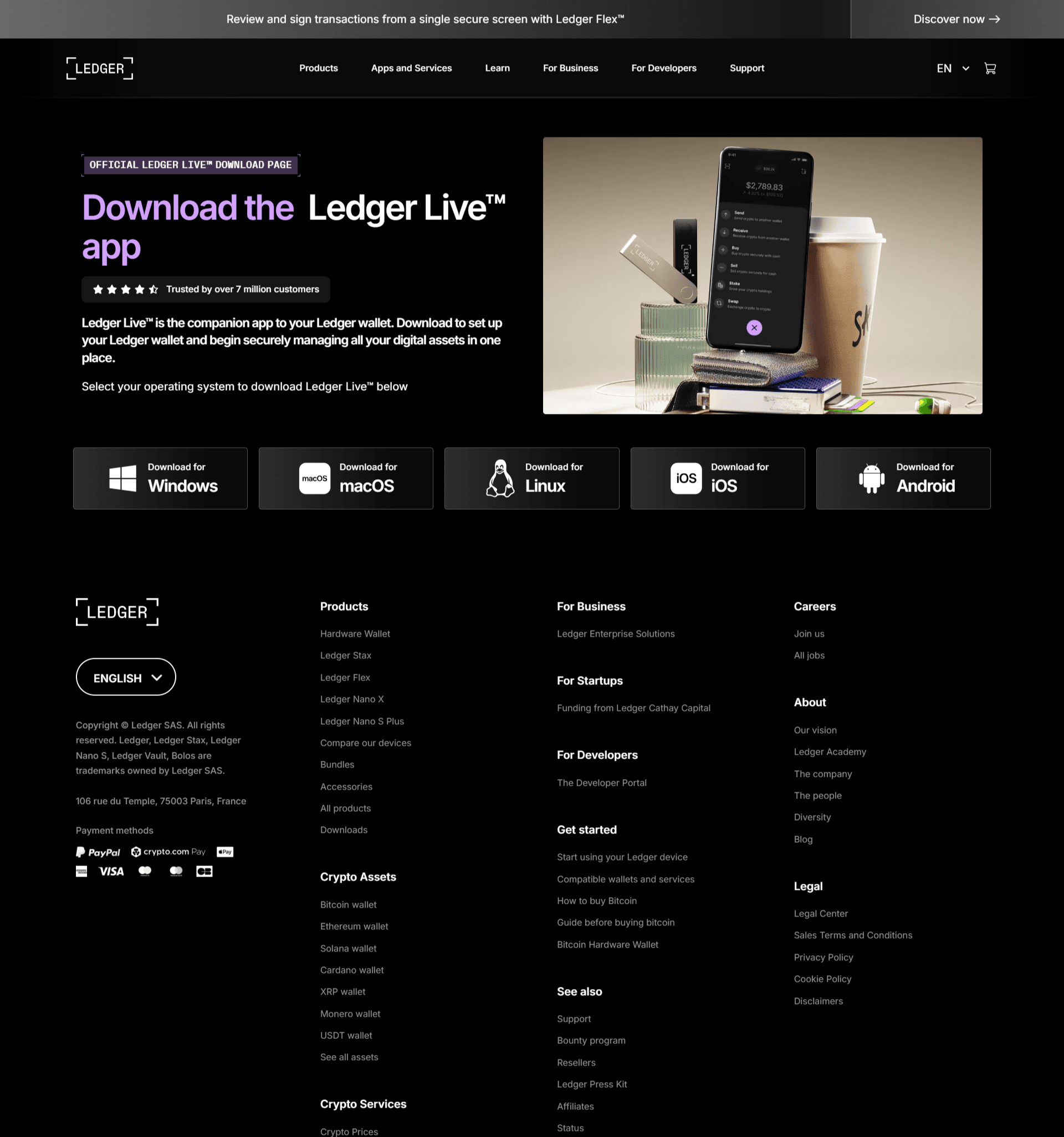
Ledger.com/Start: A Complete Guide to Setting Up Your Ledger Wallet Securely
If you’ve invested in cryptocurrency, protecting your digital assets should be your top priority. Ledger.com/Start is the official and safest gateway to set up your Ledger hardware wallet and secure your crypto holdings. Whether you’re a beginner or an experienced crypto user, this guide will help you understand why Ledger wallets are trusted worldwide and how to get started correctly.
Ledger hardware wallets are designed to store your private keys offline, keeping them safe from hackers, malware, and phishing attacks. By visiting Ledger.com/Start, users can download authentic software, verify their device, and follow the correct setup steps without risk.
🔐 Why Choose Ledger for Crypto Security?
Ledger wallets use advanced security technology, including a certified Secure Element chip. This ensures your private keys never leave the device. Unlike software wallets, Ledger provides cold storage, meaning your assets remain protected even if your computer or phone is compromised.
Using the official Ledger.com/Start page ensures you avoid fake websites or malicious downloads that could put your funds at risk.
⭐ Ledger.com/Start – Secure Setup Guide
The Ledger.com/Start page walks you through every step of setting up your Ledger device. From initializing your wallet to installing Ledger Live, the process is simple and user-friendly.
Here’s what you’ll do:
Connect your Ledger hardware wallet to your device
Download and install Ledger Live
Set up a PIN code for device security
Write down and safely store your 24-word recovery phrase
Add and manage supported cryptocurrencies
Following these steps carefully ensures maximum security for your digital assets.
🚀 Final Thoughts
In the fast-growing world of cryptocurrency, security is non-negotiable. Ledger.com/Start is the official starting point for safeguarding your investments with a Ledger hardware wallet. By following the correct setup process and using authentic software, you significantly reduce the risks associated with online threats.